
The integrity of any laboratory experiment relies heavily on the quality and stability of the research materials used. In peptide research, improper handling, reconstitution, or storage can rapidly degrade the structural integrity of the compounds, rendering experimental data invalid.
This comprehensive guide outlines the best practices for handling lyophilized research peptides, ensuring maximum stability, purity, and efficacy throughout your studies.
Understanding Lyophilized Peptides
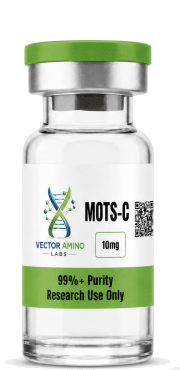
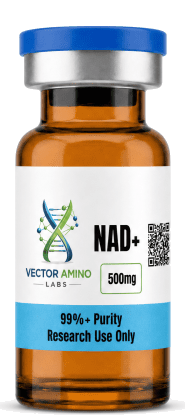
Research peptides are typically shipped in a lyophilized (freeze-dried) state. Lyophilization removes water from the peptide under low temperature and high vacuum, significantly extending the compound’s shelf life. In this state, peptides appear as a white powder or a solid “puck” at the bottom of the vial.
While lyophilized peptides are relatively stable during transit, they become highly sensitive to environmental factors—specifically temperature, light, and physical agitation—once reconstituted.
Required Materials
- Lyophilized peptide vial
- Sterile solvent (typically Bacteriostatic Water or sterile Saline)
- Sterile syringes for transfer
- Alcohol swabs
Choosing the Right Solvent
The choice of solvent depends on the specific peptide and the research application:
- Bacteriostatic Water (BAC): The most common solvent. It contains 0.9% benzyl alcohol, which prevents bacterial growth and extends the shelf life of the reconstituted peptide to 3-4 weeks under refrigeration.
- Sterile Water/Saline: Used for short-term studies where the peptide will be utilized immediately. It does not contain preservatives.
- Acetic Acid or DMSO: Required for highly hydrophobic peptides that will not dissolve in water. Always consult the specific solubility guidelines for your compound.
Storage Best Practices
Proper storage is the most critical factor in maintaining peptide stability.
Storing Lyophilized (Unmixed) Peptides
- Short-term (weeks to months): Store at 4°C (refrigeration).
- Long-term (months to years): Store at -20°C or -80°C (deep freeze).
- Light Protection: Always store vials in a dark environment, as UV light can degrade the amino acid bonds.
Storing Reconstituted (Mixed) Peptides
Once a peptide is reconstituted, its degradation clock begins ticking.
- Temperature: Must be stored consistently at 2°C to 8°C (refrigeration). Never freeze a reconstituted peptide, as the expansion of water crystals will destroy the peptide structure.
- Shelf Life: Most peptides reconstituted in Bacteriostatic Water remain stable for 21 to 28 days when refrigerated. After this period, the peptide begins to degrade, losing its potency.
- Handling: Minimize the time the vial spends outside the refrigerator during your experimental procedures.
Common Handling Mistakes to Avoid
- Repeated Freeze-Thaw Cycles: Never subject lyophilized peptides to repeated freezing and thawing. Aliquot the peptide into single-use vials if multiple experiments are planned over an extended period.
- Aggressive Shaking: As mentioned, shaking a reconstituted vial will break the fragile peptide bonds.
- Improper pH: Some peptides require a specific pH to remain stable in solution. Always verify the isoelectric point (pI) of your specific compound if using custom buffers.
By adhering to these strict handling and storage protocols, researchers can ensure the integrity of their materials and the accuracy of their experimental data. For premium, high-purity compounds backed by third-party testing, explore the Vector Amino Labs catalog.
This content is provided for educational and informational purposes only, summarizing published peer-reviewed research. All compounds referenced are intended exclusively for in-vitro laboratory research and are not intended, labeled, or approved for human use.