
In the rapidly evolving field of peptide science, researchers are increasingly moving beyond single-compound investigations to explore the complex dynamics of peptide combination research. The term “combining” refers to the strategic combination of multiple research peptides within a single protocol to achieve synergistic effects that surpass the capabilities of any individual compound. As our understanding of biological systems deepens, it becomes clear that the body’s regulatory networks are inherently multi-pathway—and the most effective research protocols reflect this complexity. This comprehensive guide explores the mechanistic rationale behind peptide combination research, outlines established synergistic combinations validated through laboratory research, and details the best practices for implementing these protocols in a controlled research setting.
The Mechanistic Rationale for Combining Peptides
The human body relies on complex, overlapping, and often redundant biological pathways to regulate metabolism, tissue repair, immune function, and cellular aging. A single peptide typically targets one specific receptor system or signaling cascade. While effective for isolated mechanistic studies, this single-target approach often fails to address the multifaceted nature of systemic biological processes that involve dozens of interacting pathways operating simultaneously.
peptide combination research is predicated on three primary mechanistic principles that have been validated through extensive laboratory research:
Pathway Synergy
This principle involves combining peptides that target different stages or nodes of the same biological process. The classic example is the growth hormone axis: one peptide stimulates the release signal while another removes the inhibitory brake, resulting in an amplified response that far exceeds what either compound achieves alone. This is not merely additive—it is multiplicative, because removing an inhibitor while simultaneously adding a stimulator creates exponential rather than linear gains.
Complementary Action
This approach pairs peptides that address different aspects of a single physiological goal. For tissue repair, one peptide might build new blood vessels to deliver nutrients and oxygen to the injury site, while another peptide mobilizes stem cells and accelerates the actual structural repair. Neither peptide alone can achieve the full healing response, but together they create a complete regenerative environment.
Receptor Sensitization and Priming
In some combinations, one peptide upregulates or sensitizes the receptors targeted by a second peptide, thereby amplifying the overall biological response. This temporal relationship means that the order and timing of administration can be as important as the compounds themselves.
Established Synergistic Peptide Combinations
Through rigorous laboratory investigation spanning decades of research, several peptide combinations have emerged as highly effective synergistic stacks for specific research objectives. The following combinations represent the most well-validated and widely utilized protocols in current peptide research.
1. The Growth Hormone Optimization combination: CJC-1295 + Ipamorelin
This is arguably the most extensively researched and clinically validated peptide combination in neuroendocrinology. It exemplifies the principle of pathway synergy by targeting the pituitary gland’s growth hormone secretion through two distinct and complementary mechanisms.
CJC-1295 (without DAC): A synthetic analogue of Growth Hormone Releasing Hormone (GHRH) consisting of 29 amino acids with modifications that extend its biological half-life. CJC-1295 binds to GHRH receptors on somatotroph cells in the anterior pituitary, stimulating a steady, sustained release of endogenous growth hormone. It amplifies the natural pulsatile GH secretion pattern without creating supraphysiological spikes.
Ipamorelin: A highly selective pentapeptide Growth Hormone Secretagogue Receptor (GHS-R1a) agonist that mimics the action of ghrelin at the pituitary level. Ipamorelin stimulates a sharp, robust pulse of growth hormone release while simultaneously suppressing somatostatin—the hypothalamic hormone that normally inhibits GH secretion. Critically, Ipamorelin is the most selective GH secretagogue known, meaning it elevates growth hormone without significantly affecting cortisol, prolactin, or aldosterone levels.
The Synergy Explained: When applied together in research models, Ipamorelin removes the “brakes” (somatostatin suppression) while CJC-1295 presses the “accelerator” (GHRH receptor activation). Research indicates that this dual-mechanism approach can amplify growth hormone secretion by approximately 10-fold compared to administering either peptide alone. The resulting GH pulse is both larger in amplitude and longer in duration, leading to sustained elevation of IGF-1 (Insulin-like Growth Factor 1) that mediates many of growth hormone’s downstream effects on body composition, tissue repair, and metabolic function.
This combination is particularly valued in research because it maintains the physiological pulsatile pattern of GH release rather than creating a constant, non-physiological elevation—preserving receptor sensitivity and avoiding the negative feedback that would result from continuous GH exposure.
2. The Comprehensive Tissue Repair combination: BPC-157 + TB-500
For research focused on accelerated healing, angiogenesis, and tissue regeneration, the combination of BPC-157 and TB-500 (Thymosin Beta-4) provides unparalleled complementary action by addressing tissue repair from both the systemic vascular level and the individual cellular level.
BPC-157 (Body Protection Compound-157): A 15-amino-acid peptide derived from a protective protein found in human gastric juice. BPC-157 acts primarily at the systemic and vascular level: it powerfully upregulates VEGF (Vascular Endothelial Growth Factor) and other angiogenic factors to promote the formation of new blood vessels, modulates the nitric oxide system to optimize blood flow, upregulates growth factor receptors (including PDGF, EGF, and FGF receptors) at injury sites, and exerts potent anti-inflammatory effects through modulation of the dopaminergic and serotonergic systems.
TB-500 (Thymosin Beta-4): A 43-amino-acid peptide that functions at the intracellular level by regulating actin polymerization—a fundamental process that determines cell structure, mobility, and division. TB-500 promotes cell migration by enabling cells to reorganize their cytoskeleton for movement, facilitates the differentiation of stem cells and progenitor cells at injury sites, reduces inflammation through downregulation of pro-inflammatory cytokines, and promotes hair follicle stem cell migration for wound healing.
The Synergy Explained: The combination works because tissue repair requires both infrastructure (blood vessels to deliver oxygen and nutrients) and cellular action (migration of repair cells to the injury site). BPC-157 builds the vascular highway system—creating new capillary networks that supply the injured tissue with the blood flow necessary for healing. TB-500 then enables the actual repair cells (fibroblasts, myocytes, stem cells) to physically migrate along this new vascular network to reach the damaged area and begin reconstruction.
Without adequate blood supply (BPC-157’s contribution), repair cells cannot survive at the injury site. Without cellular mobility and differentiation (TB-500’s contribution), even well-vascularized tissue cannot rebuild its structure. Together, they create a complete regenerative environment that dramatically accelerates healing timelines in laboratory models of musculoskeletal trauma, tendon injuries, and soft tissue damage.
3. The Mitochondrial Restoration combination: SS-31 + MOTS-c + NAD+
This advanced triple-combination targets the fundamental mechanisms of cellular aging and metabolic dysfunction by addressing mitochondrial health from three distinct and complementary angles—structural, regulatory, and substrate-based.
SS-31 (Elamipretide): A synthetic tetrapeptide that physically repairs the inner mitochondrial membrane by selectively binding to cardiolipin, thereby stabilizing the electron transport chain supercomplexes, preventing electron leak, reducing pathological ROS generation, and restoring ATP production capacity. SS-31 addresses the structural hardware of the mitochondria.
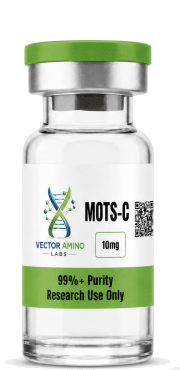
MOTS-c (Mitochondrial Open Reading Frame of the Twelve S rRNA type-c): A 16-amino-acid mitochondrial-derived peptide that acts as a systemic metabolic regulator. Unlike SS-31 which works within the mitochondria, MOTS-c translocates from the mitochondria to the cell nucleus during metabolic stress, where it alters gene expression to enhance insulin sensitivity, activate AMPK (the cellular energy sensor), improve glucose uptake, and increase fatty acid oxidation. MOTS-c addresses the regulatory software of metabolism.
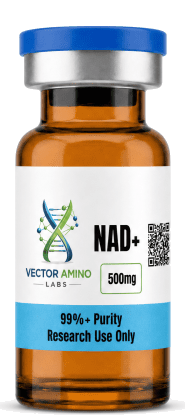
NAD+ (Nicotinamide Adenine Dinucleotide): The essential coenzyme required by Complex I of the electron transport chain and by the TCA cycle enzymes that generate the electron carriers (NADH and FADH2) feeding into the ETC. NAD+ also fuels the sirtuin enzymes (SIRT1-7) that regulate mitochondrial biogenesis, autophagy, and cellular stress resistance. NAD+ provides the chemical fuel that powers the mitochondrial machinery.
The Synergy Explained: SS-31 repairs the “engine” (restoring the physical structure of the ETC), NAD+ provides the “fuel” (the coenzyme substrate required for electron transport and ATP synthesis), and MOTS-c optimizes the “software” (metabolic gene expression that determines how efficiently cells utilize their energy). This triad represents the most comprehensive approach to reversing age-related metabolic decline currently available in research, addressing the problem at the structural, biochemical, and genetic regulatory levels simultaneously.
4. The Neuroprotection and Cognitive Enhancement combination: Semax + Selank
For research into cognitive function, neuroplasticity, anxiolysis, and neuroprotection, the combination of these two peptides—both originally developed at the Institute of Molecular Genetics of the Russian Academy of Sciences—offers unique and complementary neurological benefits.
Semax: A synthetic analogue of the ACTH(4-10) fragment with a Pro-Gly-Pro C-terminal extension that dramatically extends its biological half-life. Semax acts as a potent nootropic through multiple mechanisms: it significantly elevates Brain-Derived Neurotrophic Factor (BDNF) expression in the hippocampus and prefrontal cortex, increases nerve growth factor (NGF), modulates serotonergic and dopaminergic neurotransmission, enhances attention and memory formation, and provides robust neuroprotection against hypoxic and ischemic brain injury.
Selank: A synthetic analogue of the endogenous immunomodulatory peptide tuftsin (Thr-Lys-Pro-Arg) with a Gly-Pro extension. Selank exhibits profound anxiolytic (anti-anxiety) properties through modulation of GABAergic neurotransmission, stabilization of enkephalin degradation (thereby elevating endogenous opioid peptide levels), and regulation of the expression of BDNF and its receptor TrkB. Importantly, Selank achieves anxiolysis without sedation, cognitive impairment, or addiction potential—distinguishing it from traditional anxiolytic compounds.
The Synergy Explained: Semax provides robust cognitive stimulation, enhanced neuroplasticity, and increased neurotrophic factor expression, which can sometimes produce mild overstimulation, restlessness, or anxiety in sensitive research models. Selank perfectly counterbalances this by providing deep neurological calm and emotional stability through GABAergic modulation—without causing the sedation or cognitive dulling that would negate Semax’s nootropic benefits. The result is a state of relaxed, highly focused cognitive clarity with simultaneous neuroprotection from both compounds.
Additionally, both peptides independently increase BDNF through different mechanisms, creating an additive neurotrophic effect that supports long-term neuroplasticity and synaptic strengthening beyond what either achieves alone.
5. The Body Composition Research Combination: Tesamorelin + 5-Amino-1MQ
For research into visceral fat reduction, metabolic optimization, and body composition improvement, this combination targets fat metabolism through complementary hormonal and enzymatic mechanisms.
Tesamorelin: A 44-amino-acid GHRH analogue that is the only FDA-approved peptide specifically indicated for reducing visceral adipose tissue. Tesamorelin stimulates pulsatile growth hormone release, which in turn promotes lipolysis (fat breakdown) preferentially in visceral fat deposits while preserving lean tissue preservation and adipose tissue distribution.
5-Amino-1MQ: A small molecule inhibitor of NNMT (Nicotinamide N-methyltransferase), an enzyme that is overexpressed in adipose tissue and contributes to obesity and metabolic dysfunction. By inhibiting NNMT, 5-Amino-1MQ increases intracellular NAD+ levels in fat cells, activates the SAM (S-adenosylmethionine) dependent metabolic pathways, and shifts adipocyte metabolism from fat storage toward fat oxidation.
The Synergy Explained: Tesamorelin mobilizes stored fat through GH-mediated lipolysis, releasing fatty acids from adipocytes into the bloodstream. 5-Amino-1MQ then enhances the cellular machinery required to oxidize (burn) those released fatty acids by boosting NAD+ levels and metabolic enzyme activity within the fat cells themselves. Without enhanced oxidation capacity, mobilized fatty acids may simply be re-esterified and stored again. The combination ensures both release and utilization of stored fat.
Best Practices for Laboratory Implementation
When designing protocols involving peptide combination research, researchers must adhere to strict methodological guidelines to ensure accuracy, prevent compound degradation, and generate reproducible results.
Administration Timing and Sequencing
The timing of administration within a combination can significantly impact results. Key timing principles include:
- CJC-1295 + Ipamorelin: Should be applied in research protocols simultaneously (can be drawn into the same syringe immediately before use) during fasted states when insulin levels are low, as insulin blunts GH release.
- BPC-157 + TB-500: Can be applied in research protocols at the same time, ideally as close to the injury site as practical for localized research, or systemically for systemic protocols.
- SS-31 + NAD+: May benefit from staggered timing, with SS-31 applied in research protocols first to repair mitochondrial structure before NAD+ is provided to fuel the restored machinery.
Research Protocol Considerations for Combined Compounds
Synergistic combinations often require adjusted concentration planning compared to single-compound protocols. Because the peptides amplify each other’s effects, researchers typically begin with lower concentrations of each individual compound (often 50-75% of the standard single-compound concentrations) and titrate based on observed responses. This approach minimizes the risk of overstimulation while still capturing the synergistic benefits.
Quality Control and Sourcing
The success of any combining protocol depends entirely on the purity and authenticity of the compounds used. Impurities, degradation products, or mislabeled peptides can produce confounding results or dangerous interactions. Every peptide used in a combining protocol should be accompanied by a current Certificate of Analysis (COA) from an independent third-party laboratory, verifying identity (via mass spectrometry), purity (via HPLC), and sterility.
Conclusion: The Future of Multi-Peptide Research
peptide combination research represents the natural evolution of targeted biochemical research—from studying individual molecules in isolation to investigating the complex, synergistic interactions that more accurately reflect biological reality. By understanding the mechanistic complementarity between compounds like CJC-1295/Ipamorelin, BPC-157/TB-500, SS-31/MOTS-c/NAD+, and Semax/Selank, researchers can design protocols that address complex systemic biological challenges with unprecedented precision and efficacy.
As the scientific community continues to explore these combinations through rigorous, controlled experimentation, the potential for groundbreaking discoveries in tissue regeneration, metabolic health, neuroprotection, and longevity continues to expand. The key to successful peptide combination research research lies in understanding the underlying biology, maintaining rigorous quality standards, and approaching combinations with the same scientific discipline applied to single-compound investigations.
Vector Amino Labs is dedicated to supporting this advanced research by providing the highest purity, independently verified peptides—each backed by comprehensive third-party Certificates of Analysis—ensuring that your laboratory protocols yield accurate, reproducible, and meaningful results.
This content is provided for educational and informational purposes only, summarizing published peer-reviewed research. All compounds referenced are intended exclusively for in-vitro laboratory research and are not intended, labeled, or approved for human use.