
By Vector Amino Labs Research Team
The landscape of mitochondrial research shifted dramatically in late 2025 when the FDA approved elamipretide (formerly known in research circles as SS-31) for the treatment of Barth syndrome. This milestone marked the first time a mitochondria-targeted peptide received FDA approval, validating decades of research into cardiolipin-binding therapies.
The Mechanism of Action: Targeting Cardiolipin
Unlike traditional antioxidants that scavenge reactive oxygen species (ROS) indiscriminately, SS-31 is a highly targeted peptide composed of four amino acids (D-Arg-dimethylTyr-Lys-Phe-NH2). It selectively concentrates within the inner mitochondrial membrane (IMM) and binds directly to cardiolipin, a unique phospholipid essential for the proper structure and function of the electron transport chain (ETC) supercomplexes.
This binding stabilizes the cardiolipin molecule, preventing its peroxidation and restoring the structural integrity of the ETC supercomplexes. By repairing the electron transport chain at its structural foundation, SS-31 enhances ATP synthesis while simultaneously reducing electron leak and ROS production.
Clinical Applications and Trial History
Barth Syndrome and FDA Approval
Barth syndrome is a rare, life-threatening genetic disorder characterized by cardiac abnormalities, skeletal muscle weakness, and neutropenia. In September 2025, the FDA granted approval for elamipretide as a treatment, establishing a critical regulatory precedent for mitochondria-targeted peptides.
Primary Mitochondrial Myopathy (PMM)
Phase II and Phase III clinical trials have evaluated the efficacy of SS-31 in PMM patients. Significant improvements have been noted in patient-reported fatigue and overall quality of life.
Cardiovascular and Renal Protection
Research has demonstrated that SS-31 can ameliorate kidney disease by protecting mitochondria during ischemic events. A Phase 2a clinical trial investigated the use of elamipretide during stent revascularization in patients with atherosclerotic renal artery stenosis, showing promising results in preserving renal function.
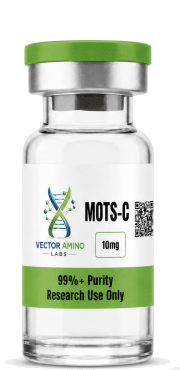
SS-31 vs. MOTS-c: Understanding Mitochondrial Peptides
| Feature | SS-31 (Elamipretide) | MOTS-c |
|---|---|---|
| Origin | Synthetic tetrapeptide | Endogenous mitochondrial-derived peptide |
| Primary Target | Cardiolipin in the inner mitochondrial membrane | AMPK pathway and nuclear gene expression |
| Mechanism | Structural stabilization of the ETC | Metabolic regulation and exercise mimicry |
| Clinical Status | FDA Approved (Barth syndrome) | Investigational (Phase II) |
Research Implications for 2026 and Beyond
The FDA approval of SS-31 has catalyzed a surge in research funding surrounding mitochondrial therapies. Current investigations are expanding into age-related degenerative diseases, neurodegenerative conditions, age-related macular degeneration, and skeletal muscle sarcopenia.
Disclaimer: The products mentioned in this article are intended strictly for laboratory research purposes only. They are not for human consumption, diagnostic, therapeutic, or clinical use. Vector Amino Labs supplies peptides exclusively for in vitro and animal research.