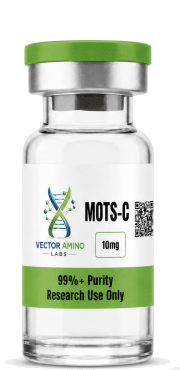
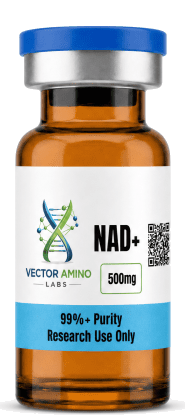

Receiving a research material is more than a delivery event. It is the point at which a laboratory begins a traceable record linking a purchase requirement, a supplier document package, a physical container, and any later analytical work. A documentation-first workflow helps research teams decide whether an item is ready for internal review, requires quarantine, or needs clarification before it enters a study-specific process.
Start with the purchase specification
Before a shipment arrives, the laboratory can define the information it expects to review. Typical fields include the item name, catalog or internal material identifier, expected lot or batch format, quantity, storage information, and the documents that should accompany the shipment. The goal is not to treat a supplier document as a substitute for laboratory work. It is to ensure that the received item can be connected to the requirement that prompted the purchase.
Capture the receipt record while the shipment is intact
A useful receiving record identifies who received the package, the date and time of receipt, the condition of the outer and inner packaging, the label information visible on the container, and any temperature-monitoring evidence that arrived with the shipment. Recording these facts before materials are redistributed reduces the chance that a later investigator must reconstruct an incomplete chain of custody from memory.
Review documents against the item in hand
Document review should compare the purchase specification, container label, certificate of analysis, and safety data sheet where relevant. The review should confirm that the material identity and lot information are internally consistent and should flag mismatches, missing pages, unreadable labels, or unclear storage instructions. A discrepancy does not establish that a material is unsuitable; it establishes that the discrepancy needs a documented resolution.
Use a clear quarantine-to-release decision
Many laboratories benefit from a simple status model: received, under document review, accepted for the defined research workflow, or held for clarification. The status should be visible in the laboratory information system, inventory log, or another controlled record. Linking the status to a responsible reviewer and date prevents informal assumptions from becoming the only evidence of a receiving decision.
Make the record retrievable
The final record should link the procurement reference, incoming lot identifier, retained source documents, storage location, and any internal analytical or identity-review record. This structure supports reproducibility because a later reviewer can identify which material lot was associated with a documented workflow and what information was available when the lot entered the laboratory.
Not for human consumption.
References
- Documenting laboratory workflows using the analytical information markup language. Journal of the Association for Laboratory Automation. 2005. https://doi.org/10.1016/j.jala.2004.10.003
- OECD Principles of Good Laboratory Practice. OECD. https://www.oecd.org/en/topics/sub-issues/testing-of-chemicals/good-laboratory-practice-and-compliance-monitoring.html
- Laboratory Manual of Quality Policies: ISO 17025 requirements. U.S. Food and Drug Administration. https://www.fda.gov/science-research/field-science-laboratory-manual/laboratory-manual-quality-policies-iso-17025-requirements