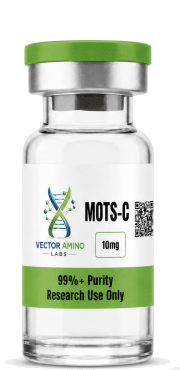


Sample Storage Location Metadata for Research Peptide Records
This guidance focuses on metadata elements and procedural controls that laboratory researchers can apply to sample storage location metadata to support analytical documentation, data integrity, quality control, and efficient research workflows for peptide records. It assumes users are working within controlled laboratory systems such as LIMS, ELNs, or validated file stores.
Core metadata principles for storage locations
Storage location metadata should be unambiguous, machine-readable, and linked to the analytical record. Core principles include unique identifiers, immutable timestamps for creation and modification, explicit parent–child relationships (e.g., vial → box → freezer), and documented environmental constraints. Design metadata so that each physical or virtual location can be resolved programmatically to a single container and coordinate (for example: FreezerA-Rack02-Box05-PositionD3).
Recommended metadata fields and structure
Typical metadata fields that contribute directly to data integrity and QC include:
- Storage location ID (unique, persistent)
- Container ID and type (vial, tube, plate)
- Parent container and hierarchical path
- Physical coordinates or RFID/barcode value
- Temperature requirements and historical temperature log references
- Aliquot relationships and remaining volume/quantity
- Access control tags and responsible owner
- Audit trail pointers (who moved the sample, when, why)
- QC status flags and linked QC record IDs
- External file checksums or hashes for associated digital records
Store metadata in structured formats (JSON, XML, or database tables) with schema versioning so changes to the model are traceable. Include controlled vocabularies for container types and location descriptors to reduce free-text variability.
Integration with workflow and QC processes
Integrate location metadata into standard operating procedures and workflow steps. Examples include automated location assignment when aliquots are created, mandatory location verification during sample retrieval, and automated reconciliation of physical inventory against LIMS records. Link QC samples and calibration materials to the same location metadata model so QC status can be propagated to analytical datasets. Implement checks that validate location metadata consistency before analysis (for example, verifying temperature history meets the method’s constraints).
Data integrity controls and auditability
Ensure that storage location metadata is subject to the same data integrity controls as analytical data: role-based access controls, immutable audit trails, version control, and electronic signatures where required. Maintain read-only historical records and use cryptographic hashes for digital attachments. Regularly perform reconciliation audits between physical inventory and metadata, log discrepancies, and apply corrective actions documented with timestamped records. These practices reduce the risk of sample misidentification and support reproducible analytical results.
Operational recommendations and change management
Establish SOPs that define how metadata is assigned, reviewed, and updated. Train personnel on barcode/RFID workflows and mandate scanning at critical handoffs. When changing metadata schemas, apply migration plans with verification steps so historical records remain interpretable. Schedule periodic reviews of storage maps and use alerts for temperature excursions or location capacity limits to preempt sample compromise.
Include a periodic reconciliation step so the physical storage position, electronic record, and sample identifier remain consistent. When a location changes, record the reason, date, and responsible authorized laboratory user in the relevant record system.
Sources
The practices above align with published discussions on laboratory data integrity and electronic records management. See:
Not for human consumption. For laboratory research use only.