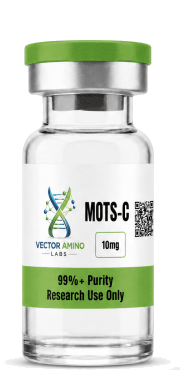
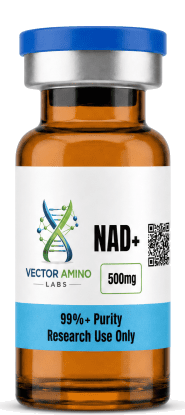

Quantitative NMR (qNMR) determines how much of a lyophilized research peptide sample is actual peptide, as distinct from water, counterions, and residual solvents. In research quality control, net peptide content matters because weighing a vial gives gross mass, not peptide mass, and laboratory calculations in vitro depend on knowing the difference.
How the method works: The sample is dissolved with a certified internal standard of known concentration, and a proton NMR spectrum is acquired under quantitative conditions — long relaxation delays, adequate signal-to-noise, and careful phasing and baseline correction. Integrating a well-resolved peptide signal against the standard’s signal gives the peptide’s molar quantity, which is converted to a content value for the lot. Identity is confirmed separately by mass spectrometry and purity by HPLC.
Applications and limits: qNMR is an absolute method that needs no peptide reference standard of the same compound, which makes it a useful orthogonal check alongside chromatographic purity. Accuracy depends on signal overlap, relaxation behavior, and standard quality, so laboratories validate the method for each analyte, document lot numbers and conditions, and report content alongside the lot-matched Certificate of Analysis.
Disclaimer: This article is for laboratory research purposes only. Not for human consumption. Not for medical, therapeutic, diagnostic, or veterinary use. No dosing, reconstitution-for-use, or efficacy information is provided or implied.
Citations: Standard qNMR method literature on quantitative proton NMR and internal-standard calibration; HPLC/MS peptide characterization methods.