×
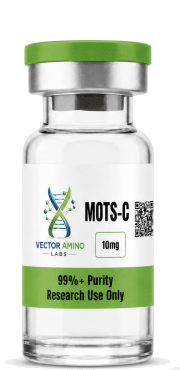
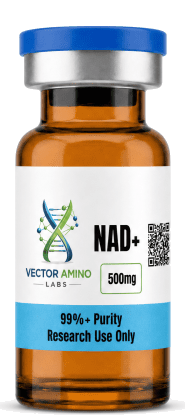
MOTS-C 10mg Research Peptide NAD+ 500mg Research Compound
First Order Offer
RMJS 1,000+ researchers subscribed

Get 10% Off
Your First Order

Purity-verified research compounds with third-party COAs. Fast shipping from Colorado.

Order before 12 PM MST — ships same day
99%+ Purity Secure Checkout COA Verified
No thanks, I'll pay full price No spam. Unsubscribe anytime. For research use only.

You're In!

Check your email for your exclusive 10% discount code.

Shop Now
🚚 FREE SHIPPING on all orders over $150⏱ Order before 12 PM MT — ships the same day🧪 99%+ purity — third-party COA with every batch💳 Pay by Card, Venmo, Zelle, ACH or Cash App🎁 FREE bacteriostatic water with every order📱 Customer care — Text us: (720) 285-5706🌐 Shipped from Denver, Colorado🚚 FREE SHIPPING on all orders over $150⏱ Order before 12 PM MT — ships the same day🧪 99%+ purity — third-party COA with every batch💳 Pay by Card, Venmo, Zelle, ACH or Cash App🎁 FREE bacteriostatic water with every order📱 Customer care — Text us: (720) 285-5706🌐 Shipped from Denver, Colorado🚚 FREE SHIPPING on all orders over $150⏱ Order before 12 PM MT — ships the same day🧪 99%+ purity — third-party COA with every batch💳 Pay by Card, Venmo, Zelle, ACH or Cash App🎁 FREE bacteriostatic water with every order📱 Customer care — Text us: (720) 285-5706🌐 Shipped from Denver, Colorado🚚 FREE SHIPPING on all orders over $150⏱ Order before 12 PM MT — ships the same day🧪 99%+ purity — third-party COA with every batch💳 Pay by Card, Venmo, Zelle, ACH or Cash App🎁 FREE bacteriostatic water with every order📱 Customer care — Text us: (720) 285-5706🌐 Shipped from Denver, Colorado
Free VectorFam Slider Case with 10 or more research vials — automatically added at checkout.

Melanotan II (MT-2): A Comprehensive Review of Melanocortin Receptor Agonism and Research

Introduction to Melanotan II Research Melanotan II (commonly abbreviated as MT-2) is a synthetic, cyclic heptapeptide analog of the naturally occurring alpha-melanocyte-stimulating hormone (α-MSH). Originally developed at the University of Arizona in the 1980s, the compound was initially researched as a potential prophylactic agent against skin cancer by stimulating the body’s natural tanning response without […]

Vector Team