
Corticotropin, also known as adrenocorticotropic hormone (ACTH), is studied in laboratory research as a 39-amino-acid peptide derived from pro-opiomelanocortin processing and as a tool in melanocortin receptor and cell-signaling studies in vitro. Laboratory work uses defined synthetic material so experiments are reproducible from lot to lot. Structure: ACTH shares its N-terminal sequence region with the melanocyte-stimulating hormones, and sequence fidelity and purity are key variables in laboratory studies comparing preparations in controlled systems. Identity and purity are confirmed by HPLC and mass spectrometry, and the lot-matched certificate of analysis is reviewed before use. Laboratory applications: cell culture assays, receptor-binding and MC2R signaling studies in controlled in vitro systems, peptide-processing studies examining prohormone cleavage in vitro, and stability studies under controlled laboratory conditions. Vehicle controls, analytical verification, and replication are standard. In vitro findings describe behavior in laboratory systems only; no conclusions about human use can be drawn from them. Analytical notes: store lyophilized material sealed, protected from light and moisture; verify identity and purity by HPLC/MS on receipt; avoid repeated freeze-thaw cycles; record lot numbers in laboratory documentation. Disclaimer: This material is supplied for laboratory research purposes only. Not for human consumption. Not for medical, therapeutic, diagnostic, or veterinary use. No dosing, reconstitution-for-use, or efficacy information is provided or implied. Citations: standard corticotropin and melanocortin receptor literature; POMC processing reviews; standard HPLC/MS methods.
×

Get 10% Off
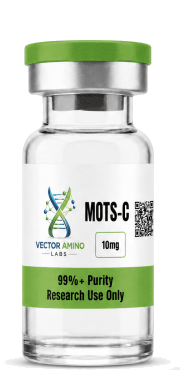
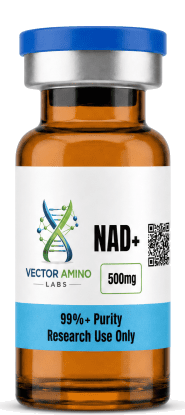
First Order Offer
Get 10% Off
Your First Order
Purity-verified research compounds with third-party COAs. Fast shipping from Colorado.
Order before 12 PM MST — ships same day
99%+ Purity
Secure Checkout
COA Verified
No thanks, I'll pay full price
No spam. Unsubscribe anytime. For research use only.You're In!
Check your email for your exclusive 10% discount code.