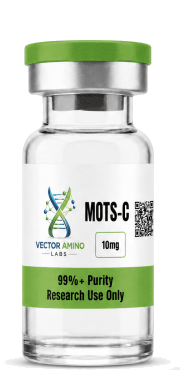
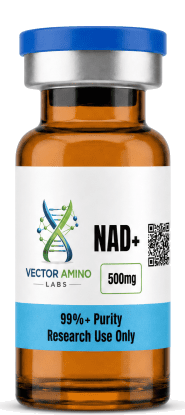

Glucagon is a 29-amino-acid peptide studied in laboratory research as a tool compound for the glucagon receptor, a class B G protein-coupled receptor, in vitro. This article summarizes its structure and how researchers characterize it in controlled laboratory settings only.
Structure: Glucagon is produced by cleavage of proglucagon and belongs to the glucagon/secretin family of peptides, sharing sequence homology with related family members — which makes analytical confirmation of identity important in the laboratory. Researchers confirm identity and purity by HPLC and mass spectrometry and review the lot-matched Certificate of Analysis before use in experiments.
Laboratory applications: In cell culture and receptor-binding assays, glucagon is used to probe glucagon receptor signaling, including cyclic AMP second-messenger readouts and comparative studies against related family peptides in controlled systems. Study designs typically include vehicle controls, a reference agonist, and analytical verification of the test article. No conclusions about human use can be drawn from in vitro work.
Analytical notes: Glucagon is known in the laboratory for aggregation and fibrillation behavior in solution, so researchers document solvent, concentration, storage conditions, and lot numbers carefully in laboratory records. Store lyophilized material as directed on the product label and protect from moisture.
Disclaimer: This product and this article are for laboratory research purposes only. Not for human consumption. Not for medical, therapeutic, diagnostic, or veterinary use. No dosing, reconstitution-for-use, or efficacy information is provided or implied.
Citations: Glucagon receptor (class B GPCR) pharmacology reviews; standard HPLC/MS peptide characterization methods.