
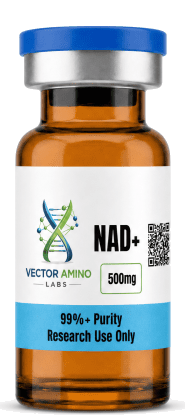

Peptides have become a central focus in modern laboratory research due to their structural diversity, precise sequences, and wide range of investigative applications. As interest in advanced research compounds continues to grow, laboratories are increasingly prioritizing high-quality sourcing, consistency, and documentation when selecting peptide materials.
At Vector Amino Labs, we focus on delivering premium research compounds and lab supplies that meet strict quality expectations. This guide provides an overview of peptides from a structural and research perspective, along with key considerations for sourcing and handling in laboratory environments.
What Are Peptides?
Peptides are short chains of amino acids linked by peptide bonds. Unlike full-length proteins, peptides typically consist of fewer amino acid residues, allowing for more controlled study and structural analysis in laboratory settings.
From a research standpoint, peptides are valued for:
- Defined molecular structure
- Sequence-specific design
- Controlled synthesis processes
- Compatibility with a wide range of laboratory techniques
Because of their size and precision, peptides are commonly utilized in analytical workflows, structural studies, and controlled experimental environments.
Peptide Structure and Composition
Peptides are composed of amino acids connected through covalent peptide bonds. Each amino acid contributes to the overall structure and behavior of the peptide chain. The sequence and arrangement of these amino acids determine the peptide’s characteristics.
Key Structural Elements
- Primary Structure: The linear sequence of amino acids
- Secondary Structure: Local folding patterns such as alpha-helices or beta-sheets
- Tertiary Structure: The three-dimensional arrangement of the peptide chain
In laboratory research, understanding these structural levels allows for precise evaluation and reproducibility across experiments.
Classification of Peptides
Peptides are often categorized based on length, structure, and synthesis method. This classification helps researchers select appropriate compounds for specific laboratory workflows.
By Length
- Oligopeptides: Typically 2–20 amino acids
- Polypeptides: Longer chains, often exceeding 20 amino acids
By Structure
- Linear Peptides: Straight amino acid chains
- Cyclic Peptides: Chains that form a closed loop
By Synthesis Method
- Solid-Phase Peptides: Produced using stepwise synthesis on a solid support
- Solution-Phase Peptides: Synthesized in liquid environments
Each classification offers distinct advantages depending on the research context and experimental design.
Peptide Synthesis and Quality Considerations
The synthesis process plays a critical role in determining peptide quality. Laboratories rely on consistent production methods to ensure accurate and repeatable results.
Common Synthesis Approach
The most widely used method is solid-phase peptide synthesis (SPPS). This technique allows for precise control over amino acid sequencing and minimizes contamination during production.
Key Quality Indicators
When sourcing peptides, researchers should evaluate:
- Purity levels (commonly 95%+ or higher)
- Batch consistency
- Analytical documentation (e.g., chromatographic analysis)
- Storage and handling conditions
At Vector Amino Labs, we prioritize these standards to support reliable laboratory use.
Applications in Laboratory Research
Peptides are utilized across a wide range of research environments. Their controlled structure and sequence specificity make them valuable for:
- Analytical method development
- Molecular modeling studies
- Laboratory assay design
- Structural research and compound evaluation
Because peptides can be synthesized with high precision, they are often used in experiments that require consistency and repeatability.
Storage and Handling Best Practices
Proper storage and handling are essential to maintain peptide integrity. Laboratories should follow standardized protocols to prevent degradation or contamination.
Recommended Guidelines
- Store peptides in a cool, dry environment
- Avoid repeated freeze-thaw cycles
- Use appropriate solvents for reconstitution (when applicable)
- Maintain sterile handling procedures
Following these practices helps preserve compound quality over time.
Choosing a Reliable Peptide Supplier
Selecting a trusted supplier is one of the most important factors in maintaining research consistency. Not all sources provide the same level of quality, documentation, or reliability.
What to Look For
- Transparent sourcing and manufacturing processes
- Verified analytical data
- Consistent inventory availability
- Fast and reliable fulfillment
- Clear communication and support
Vector Amino Labs is committed to meeting these standards by offering premium research compounds and dependable service.
The Importance of Consistency in Research Compounds
Consistency is critical in any laboratory setting. Variations in compound quality can impact reproducibility and experimental outcomes.
High-quality peptide sourcing ensures:
- Reliable experimental conditions
- Accurate data interpretation
- Reduced variability between trials
By maintaining strict quality controls, laboratories can operate with greater confidence in their materials.
Research Trends and Growing Demand
The demand for peptides in research continues to expand as laboratories explore new methodologies and analytical techniques. With advancements in synthesis and quality control, peptides remain a key focus in modern scientific workflows.
Researchers are increasingly prioritizing:
- High-purity compounds
- Verified documentation
- Efficient sourcing and delivery
This shift highlights the importance of working with suppliers that understand the needs of laboratory environments.
Why Vector Amino Labs
At Vector Amino Labs, we are dedicated to providing high-quality research compounds and lab supplies designed for consistency and reliability.
Our approach focuses on:
- Strict quality standards
- Reliable sourcing
- Fast, efficient fulfillment
- Ongoing support for research needs
Whether you are sourcing peptides or other laboratory materials, our goal is to deliver a dependable experience from order to delivery.
Conclusion
Peptides play a vital role in modern laboratory research due to their structural precision, controlled synthesis, and versatility in experimental settings. Understanding their composition, classification, and sourcing requirements is essential for maintaining high standards in any research environment.
By prioritizing quality, consistency, and proper handling, laboratories can ensure optimal performance from their research compounds.
Contact
For more information about our products and services, please contact:
support@myaminolab.com
Website: myaminolab.com
Compliance Notice
This content is provided for educational and informational purposes only, summarizing published peer-reviewed research. All compounds referenced are intended exclusively for in-vitro laboratory research and are not intended, labeled, or approved for human use.