
Scope and objective
This note describes a pre-run procedure for peptide analytical reference-material label-to-sequence reconciliation. The focus is to create a single, auditable record that links physical vial identifiers and label fields to the sequence entries used in the upcoming analytical run. The process supports traceability, documents reviewer decisions, and captures conditional actions if the label information and sequence metadata do not match. Use of recognized reference-material sources and good manufacturing practice guidance is recommended; see NIST Reference Materials and the ICH Q7 guideline for context on reference-material handling and documentation.
Required fields and checklist
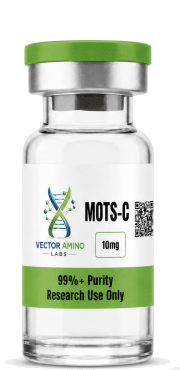
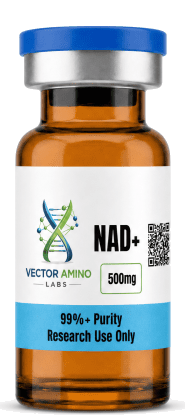
Before instrument setup, assemble a reconciliation checklist that will be saved with the run record. Essential fields include vial identifier (unique code visible on the label), lot number, certificate revision or version, manufacturer or provider, date received, sequence accession or LIMS sequence ID, declared nominal mass (if provided on the certificate), and the operator performing the check. Record the instrument name, planned method identifier, and the intended injection order or sample position when relevant. Capture reviewer initials, date and time, and a short rationale when an exception is raised.
Reconciliation workflow
Follow a two-stage workflow: physical verification and electronic confirmation. In the physical verification stage, inspect each vial label and record the visible vial ID and lot fields verbatim into the reconciliation form. Photograph the label if site policy permits. In the electronic confirmation stage, query the sequence entry in the LIMS or sequence management system and confirm the accession number, sequence string, and any certificate revision field. If a certificate revision is present, note the revision identifier and verify the certificate file matches the stated revision.
When entries match, sign the record and mark the material as cleared for the run. If a discrepancy is detected between a vial label and sequence entry (for example, mismatched lot number or certificate revision), stop and document the specific discrepancy. The record should include conditional actions such as hold, re-label, request updated certificate, or consult the material provider. Any decision to proceed despite a discrepancy must be accompanied by documented risk justification and an approval signature.
Documentation, review, and conditional actions
Store the completed reconciliation record with the run folder and link it to the instrument acquisition metadata. Records should include hyperlinks or file references to the associated certificate of analysis or certificate revision PDF. Retain photographic evidence or scans where used. A qualified reviewer should inspect the reconciliation record before accepting it; acceptance criteria include completeness of required fields, matching identifiers, and documented resolution of exceptions. If the reviewer rejects the reconciliation, document the reason and log the corrective action taken.
For sites with formal reference-material qualification processes, integrate the reconciliation record into the overall lot history and traceability chain. Reference to external standards and guidance can help define retention periods and audit requirements; consult ISO documentation for reference-material producers and relevant GMP guidance to align site procedures with best practices.
Practical notes and tips
Use templated electronic forms to reduce transcription errors and enable automatic linking to LIMS entries. Employ checkboxes for common statuses (cleared, hold, rejected) and free-text fields for exception descriptions. Avoid ad hoc notation practices that make later review difficult. When a certificate revision is noted on a label, capture the revision number and compare the revision date on the certificate PDF to the lot receipt date to ensure consistency.
Final archival of the reconciliation record should preserve immutable timestamps and reviewer signatures. Where applicable, reference-material procurement and certificate provenance should be appended as supporting documents so an auditor can trace back to the original provider and revision.
Not for human consumption. For laboratory research use only.