
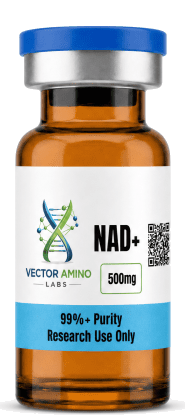

This article outlines a records-focused approach for investigating discrepancies involving research-peptide reference materials. Emphasis is on traceability from receipt through analytical testing, documentation of retained evidence, and structured reviewer decisions. All procedures described apply to laboratory records and administrative controls; no prohibited topics are addressed.
Receipt and initial evidence documentation
On arrival, record shipment details immediately: carrier, tracking number, packaging condition, temperature indicators, and any visible labeling inconsistencies. Assign a unique investigation record ID and log the declared identity and quantity from the shipment manifest. Photograph package condition and labels, and preserve original packaging as retained evidence. If a seal or label is altered or missing, note the deviation and place the item in secured storage pending sampling.
Sample identity and chain-of-custody
Create a chain-of-custody form that links the retained reference material, any split samples, and aliquots prepared for analysis. Include who performed each transfer, date/time, purpose, and storage location. When sub-sampling, label aliquots with the investigation record ID and descriptive metadata (lot number, manufacturer code, weight or volume). Maintain temperature logs and access logs for the storage area to support later review.
Analytical records and evidence linkage
Document all analytical actions taken to investigate the discrepancy: test methods, instrument IDs, calibration status, analyst names, and raw data files. Where possible, retain instrument output and chromatograms as part of the investigation record. Cross-reference analytical results to the chain-of-custody entries and photographs of the original packaging. If the analytical outcome does not match the declared attributes, annotate the investigation record with an evidence matrix summarizing supporting items (packaging photos, chain-of-custody, raw data files).
Reviewer assessment and disposition options
Designate an independent reviewer to assess completeness of the investigation record and to determine disposition options. The reviewer should confirm that photographic evidence, chain-of-custody, and analytical records are present and consistent. Document the reviewer’s decision, rationale, and any conditional actions (e.g., repeat analysis, supplier query, quarantine extension). Use a checklist to ensure that each required element of the record is present before closing the investigation.
Retention, reporting, and supplier follow-up
Retain the investigation record and retained evidence per institutional retention schedules. When contacting the supplier, include a concise evidence package: shipment photos, manifest copy, analytical summary, and reviewer decision. Record all supplier communications within the investigation file. Where corrective actions are implemented, update the record with dates, responsible parties, and verification steps taken to confirm resolution.
Best practices integrate these record components into a searchable electronic filing system and enforce controlled access to retained evidence. For guidance on test item management and characterization, consult established references such as the OECD guidance on test-item management and the FDA documentation on analytical records. See OECD test-item management guidance and the FDA guidance on laboratory documentation for frameworks that support thorough recordkeeping.
Start with an evidence-preservation entry
An investigation record should capture the shipment identifier, receiving date, outer-package observations, source documents, and the specific variance without converting it into a conclusion too early. Photographs, carrier records, receiving notes, labels, and associated certificates can be listed as retained evidence. The record can also identify whether any sample or analytical activity was paused while the variance was assessed. That structure keeps the first entry factual and gives later reviewers a stable starting point.
Link disposition to affected identifiers
The resolution should name every affected material identifier, retained sample reference, and analytical record link. If the review concludes that further evidence is needed, the next action and responsible role should be documented instead of inferred. If a correction is made to a related record, preserve the reason and cross-reference rather than overwriting the original observation. This approach keeps the discrepancy record distinct from routine receipt or inventory documentation.
Not for human consumption. For laboratory research use only.