
Vaspin is studied in laboratory research as a visceral adipose-derived serpin encoded by SERPINA12 and as a tool in serpin-biology studies in vitro. Laboratory work uses defined synthetic or recombinant material so experiments are reproducible from lot to lot. Structure: vaspin adopts the conserved serpin fold with a reactive center loop, and loop sequence and conformational state are key variables in laboratory studies comparing preparations in controlled systems. Identity and purity are confirmed by HPLC and mass spectrometry, and the lot-matched certificate of analysis is reviewed before use. Laboratory applications: cell culture assays, structure-activity studies comparing vaspin with other SERPINA-family members, and biophysical studies of serpin conformational change under controlled laboratory conditions. Vehicle controls, analytical verification, and replication are standard. In vitro findings describe behavior in laboratory systems only; no conclusions about human use can be drawn from them. Analytical notes: store lyophilized material sealed, protected from light and moisture; verify identity and purity by HPLC/MS on receipt; avoid repeated freeze-thaw cycles; record lot numbers in laboratory documentation. Disclaimer: This material is supplied for laboratory research purposes only. Not for human consumption. Not for medical, therapeutic, diagnostic, or veterinary use. No dosing, reconstitution-for-use, or efficacy information is provided or implied. Citations: standard vaspin and SERPINA12 literature; peptide characterization reviews; standard HPLC/MS methods.
×

Get 10% Off
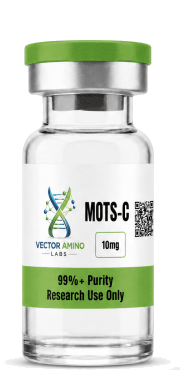
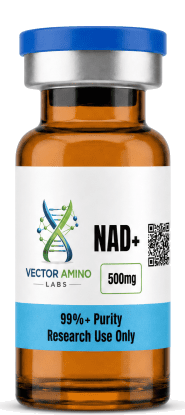
First Order Offer
Get 10% Off
Your First Order
Purity-verified research compounds with third-party COAs. Fast shipping from Colorado.
Order before 12 PM MST — ships same day
99%+ Purity
Secure Checkout
COA Verified
No thanks, I'll pay full price
No spam. Unsubscribe anytime. For research use only.You're In!
Check your email for your exclusive 10% discount code.